

Diet culture calls it dedication. Eating disorder treatment calls it restriction. One woman followed Weight Watchers for 12 years, became a lifetime member, and did everything the program asked of her. She was successful by every measure the program used. She also developed an eating disorder.
The Making of a Model Member
I started Weight Watchers 12 years ago. It worked, and I lost weight. I was very strict in following the program, working out, and doing everything I was supposed to be doing. If you stay within a certain range and weigh in once a month, you become a lifetime member. You don't have to pay the monthly membership fees, and you get the free tools to track everything.
Diet programs understand something fundamental about human psychology: we are wired to seek belonging and status. Lifetime membership isn't just about saving money. It's an identity marker that separates the disciplined from those who gave up. The program shifts from being something you do to something you are. This happens gradually as your worth becomes tied to your ability to follow external rules that override your body's signals. Hunger stops being information about what your body needs and becomes a test of your character. The points system, which changes according to the company's decisions, becomes more reliable than your own experience of what actually nourishes you.
From Dieting to Disordered Eating
I developed the mindset that eating less was better. It became a monthly challenge to get to my weigh-in, but it was becoming harder and harder. I was working out and eating less and less, and the weight was staying on. I didn't understand what was going on. I fell into a pattern where I would severely restrict the week before weigh-ins. Even when I followed the program exactly, my weight would fluctuate dramatically.
Metabolic adaptation is the body's predictable response to sustained energy deficit. When you consistently eat less than your body needs, your metabolism slows down to conserve resources. This isn't a failure of willpower. It's biology protecting against what it perceives as starvation. The problem is that diet programs assume weight loss is straightforward and mostly about discipline, which means they have no way to explain why strict adherence eventually stops working. The only solution they offer is more restriction, which slows metabolism further and creates the exact conditions for eating disorders to develop.
This woman began severely restricting before her weigh-ins, a behavior that would raise immediate concern in any clinical setting. But because she was doing it within a commercial weight loss program, it looked like dedication rather than something dangerous. The line between dieting and disordered eating isn't always obvious, but the behaviors often are. Other Specified Feeding and Eating Disorders (OSFED) frequently develop this way, through escalation of socially acceptable restriction that crosses into dangerous territory without anyone naming it as such.
Trapped by the Fear of Failure
It was affecting everything. I would never go out with my friends. If they wanted to meet at a restaurant, I didn't want to do that. I had an easy excuse—I'd say I had to go home to the kids. I didn't realize how tired I was. I would fall asleep while putting my youngest to bed. I got constant headaches. I didn't have a lot of patience.
Starvation affects the brain before it shows up in body composition. The Minnesota Starvation Experiment demonstrated this decades ago: when healthy men were placed on restricted diets, they developed obsessive thoughts about food, social withdrawal, irritability, and trouble concentrating. These weren't personality flaws. They were the brain's response to not getting enough fuel.
This woman was experiencing the same thing while trying to parent young children and teach middle school. The physical symptoms she blamed on not drinking enough water were actually signs of malnourishment. But because she was losing weight through a socially approved method, no one around her saw it as concerning.
I reached out to Weight Watchers to see if somebody could help because it was taking a toll on my mental health. When I told her what was happening, she told me to eat more of certain foods. When I said that's all I was eating, she told me to eat less of them. I couldn't cancel my membership. I would pull up the phone number and then close my laptop. I just couldn't call. It wasn't because I would have to pay—it was because I felt like a failure. That feeling was killing me.
The program has no way to recognize when someone needs medical help rather than diet advice. When she described symptoms of disordered eating, the response was to adjust her zero-point foods rather than suggest she needed clinical evaluation. This isn't surprising. Commercial weight loss programs exist to keep members, not to identify when those members have crossed into eating disorder territory. The shame that kept her trapped was built into the program's structure. Lifetime membership has value precisely because it signals you've done something difficult that others couldn't. Leaving means publicly admitting failure, which becomes unbearable when your entire sense of worth has been built around succeeding at the program.
Learning to Eat Without Rules
I contacted a nutritionist the next day. I didn't realize how tired I was until I started eating again. I have more energy now. My friend says I don't look tired anymore. I didn't realize how much food is connected to absolutely everything. It was hard to realize that I probably do have an eating disorder. I was very emotional after realizing that because what I was doing was not normal.
Recovery from restriction requires abandoning external food rules completely. Not adjusting them or finding a "healthier" version, but letting them go entirely. For someone who has spent over a decade ignoring hunger and fullness in favor of a tracking system, this process is deeply uncomfortable. The body's ability to regulate itself has been disrupted, and it needs time and consistent nourishment to recalibrate.
Eating disorder treatment at the Kahm Center uses tools like metabolic testing and body composition analysis to understand how the body is functioning from a nutritional standpoint. These tools let clinicians track recovery through markers that reflect what's happening inside the body rather than how it looks from the outside. For someone whose metabolism has slowed after years of dieting, adequate nourishment means eating enough to restore function, which often requires consuming more than feels right according to internalized diet rules.
The psychological work of recovery involves breaking down the beliefs that kept the eating disorder going: that self-worth depends on body control, that hunger is a character flaw, that rigid management of food equals health.
Understanding what these programs actually do matters beyond individual recovery. Medical professionals who refer patients to commercial diet programs might reflect on whether they're inadvertently creating the conditions where eating disorders develop.
Parents who participated in diet programs themselves can choose to break the cycle by refusing to introduce their children to systems that teach worth through compliance and body control. Friends and family members who praise someone's dedication to a weight loss program might consider whether they're reinforcing behaviors that have crossed into disordered eating.
The behaviors required to be a successful member are the same behaviors that define disordered eating. Walking away from that system isn't failure. It's recognizing that what you were taught to call health was actually causing harm.
Clinically Reviewed By
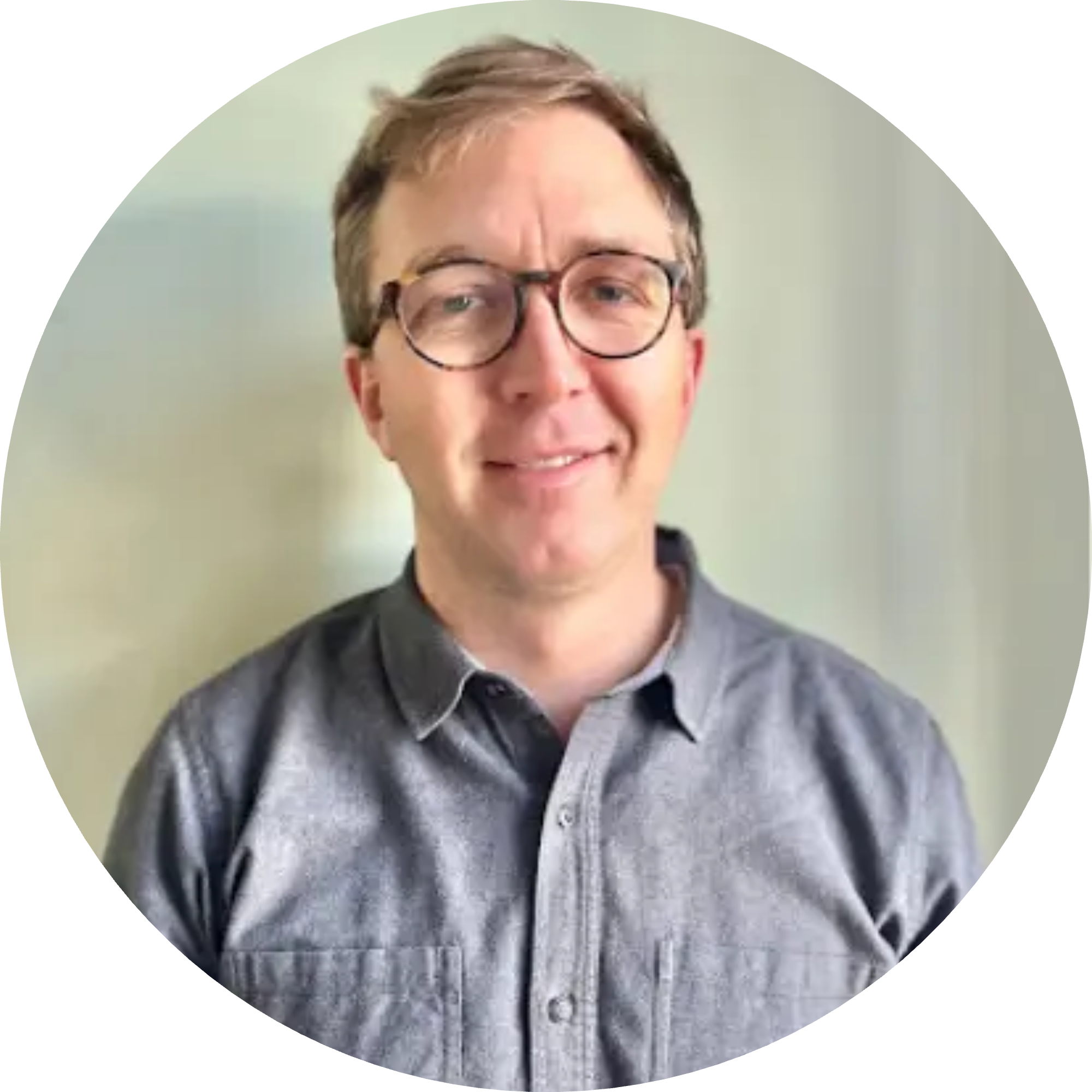
Nick Kahm, PhD
Co-Founder
Nick Kahm, a former philosophy faculty member at St. Michael's College in Colchester, VT, transitioned from academia to running the Kahm Clinic with his mother. He started the clinic to train dietitians in using Metabolic Testing and Body Composition Analysis for helping people with eating disorders. Now, he is enthusiastic about expanding eating disorder treatment through the Kahm Center for Eating Disorders in Vermont.
